…und wir würden uns alle freuen, wenn dem so wäre, nur die „Kollegen“ haben sich immer noch nicht mit Fotobelegen gemeldet.
4 „Gefällt mir“
Die Fotos von Teslito passen nicht in die 10 Zeichen 
Vieleicht werden in einer Linie die neuen Cams verwendet für Autos mit FSD. Die anderen bekommen noch die alten solange es hat.
1 „Gefällt mir“
Tatsächlich merkwürdig, da ja bereits Bilder der optisch anders gestalteten Linse aus den Staaten existieren?!?
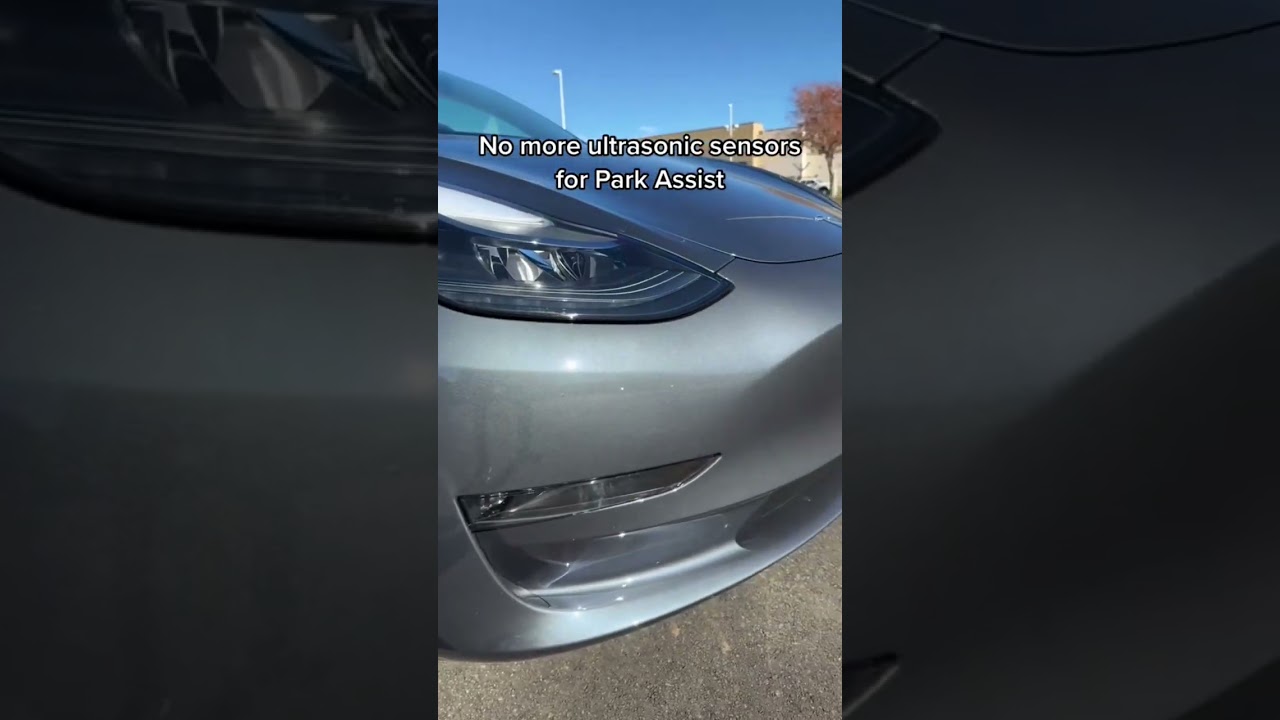
Was hat es eigentlich damit auf sich:No ultrasonic sensors (TBC)
TBC = to be continued?
Soll heißen, die Dinger kommen wieder?
To be confirmed. US01 für keine USS beweist sich quasi erst, wenn alle damit keine mehr haben oder US00 Fahrzeuge erscheinen, die sie haben.
1 „Gefällt mir“
Der hier ist ein Fremont vom 25. Oktober mit FSD ab Werk. Auch hier keine neuen / auffälligen Option Codes:
https://tesla-info.com/car/US-5YJ3260_1d66bca8ed56745855320b1ba024be5d
In der VC27 werden anscheinend auch die Nummernschildhalter eingespart. Zumindest in den USA und dann darf man 40$ dafür berappen 
2 „Gefällt mir“
In verschiedenen Bundestaaten der USA sind vorn keine Kennzeichen vorgeschrieben 
Ah sorry, das habe ich überlesen. Ist jetzt aber auch kein Use Case den man jeden Tag hat 
Hey @eivissa.
Something interesting has happened in The Netherlands. The first two RWD Model Y’s have been registered, however they both have different register types.
License plate R-576-SR with type e42007/46129326
License plate R-899-SJ with type e42018/8580013502
The latter one could possibly be a RWD with BYD battery from Grunheide I guess?
3 „Gefällt mir“
Yes. That’s exactly the case 

3 „Gefällt mir“
Thanks for confirming. Interesting that they possibly already started RWD production in Berlin while the MYLR backlog is still quite big 
The first BYD cars were built in September or October as production test cars. This one is probably a car for road testing purposes and will never be delivered to customers.
6 „Gefällt mir“
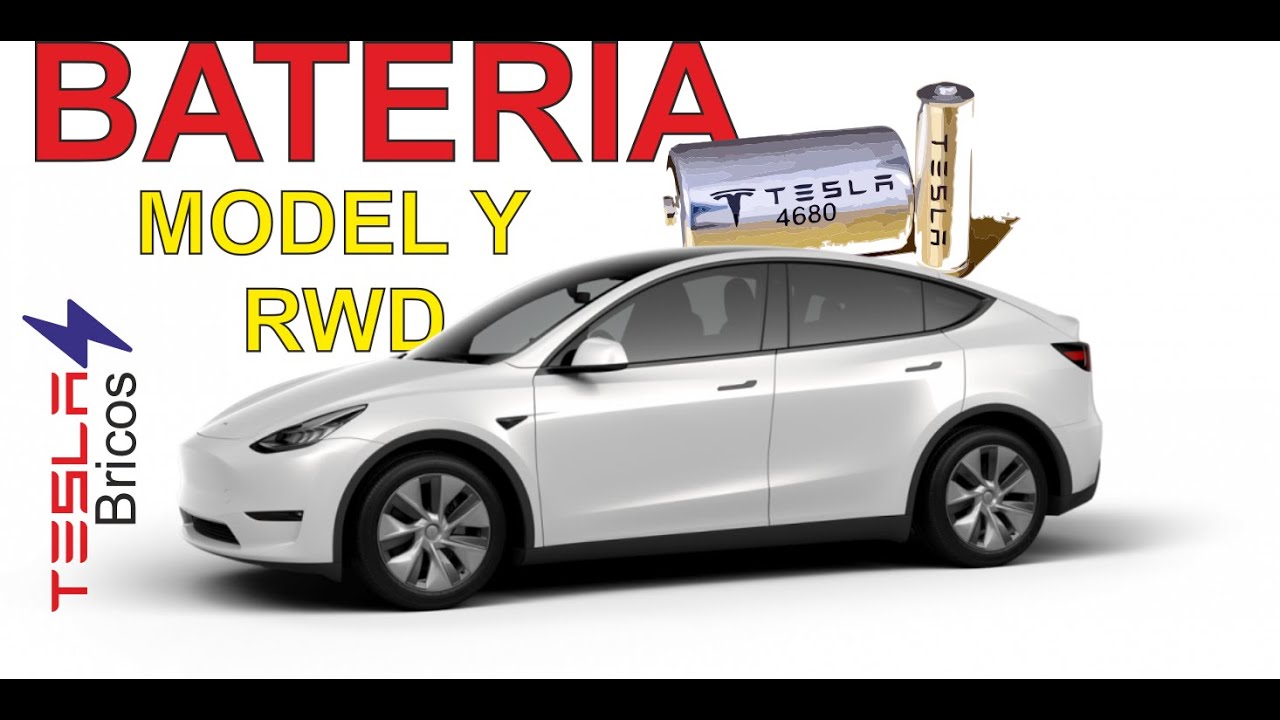
The video above is from delivery of MY RWD in Spain today.
If you check at 4.40 you will see that the nominal pack size is 60,5 with buffer size 4,60.
So the usable battery for the MY RWD is 55,9.
Counting on an average consumption of 15.7 kWh/100km is 356 km of range…
I still can’t figure out how the 445 km of range is calculated…
I am still confused if I have to change my order to MY LR because at 130km/h the consumption is about 20 kWh/100km, so with 55,9 kWh available it’s about 279 km of range….
2 „Gefällt mir“
A couple of things you need to know with regards to WLTP. The 157wh/km is including charging losses of 12,4%, so the real consumption is 137,5 wh/km. Furthermore, WLTP is measured until the car shuts down, so it uses the buffer below zero (which is in fact usable), so you need to use the nominal full pack to calculate the WLTP range. This gives 60,5/0,1375=440km of range which is quite close to the 445km. The 60,5 is normal for the battery pack and has been seen alike in the model 3 already.
This doesn’t change your real life 279km from 100-0% unfortunately.
3 „Gefällt mir“
Hey @Sktesla
A couple of things to unpack here, maybe because of wrong assumptions or because most people don’t understand Spanisch here:
- Full Pack When New = Fixed value that only serves to identify the battery pack. You will see this readout in every CATL 6L LFP60 battery pack. This doesn’t mean that this pack came with that capacity from the factory. Again…only a marker to identify the pack in the rough area of the real capacity of the pack when it was new.
- Nominal Full Pack = BMS calculation of the current available capacity from 100% SoC to -4,5%, so it includes the Energy Buffer below 0%. The Youtuber also correctly points it out, that this value is more important than the Full Pack When New.
- Energy Buffer = Key point here is that the Energy Buffer in the CATL LFP Packs is variable. If you charge this one frequently to 100% it will reduce the Energy Buffer since it is „more sure“ of its capacity and therefore allows more capacity to be used between 100% and 0%. Ideally the LFP60 can reduce the Energy Buffer to 2,8kWh if I remember correctly, resulting in 59kwh max to be usable between 100% and 0%.
The usable energy should include the buffer. You dont see it below 0%, but it is there, without being able to rely on it. This is a frequent discussion.
This battery pack can ideally be charged up to 62kWh, but most stop at 61,#kWh including Buffer.
Seen here in the EPA test results → System End State of Charge Watt-hours:
WLPT Consumption is calculated with energy drawn from the socket, to give you a real estimate of your running costs. Charging losses in the Model 3 and Y range from 8% to 13%, but in this calculation 12,4% works best.
157 - 12,4% = 137,5Wh/km
62000Wh / 137,5Wh/km = 451km (455km declared on 20")
True, but with a smaller energy buffer you can increase the range with 200Wh/km to almost 300km. The MY RWD might be more efficient than 200Wh/km on 19" wheels and get you even further in real life.
7 „Gefällt mir“
Gibt es schon Informationen zur Typgenehmigung e407/461293*27
@eivissa I didn’t suceed to contact you by direct message, i am not user friendly of this forum. I see today that for Structural pack homologation, we are now at 00135*03. have you information about this one ? can we expect a new variant for LR and Perf in berlin with 4680 structural pack ?
I am always interested to know how to have this info, please tell me how to contact you. it is for a personnal project. thanks a lot
Mann, jetzt hab ich mein Auto mit V26 noch nicht mal in den Händen, und dann kommst du schon mit der V27 ums Eck. Das ist ja mit den Autos schlimmer als mit den PC’s

8 „Gefällt mir“
Da ja scheinbar der Hupenklang mit V26 geändert wurde, würde mich interessieren, ob das vom Superhorn herrührt oder ob das Superhorn beim M3 schon länger verbaut wurde. Weiß das jemand?
Mein weißes M3P, gebaut am 4.10.22 hat noch nicht das Superhorn. Dafür noch USS. @Jackjan sein weißer LR, gebaut am 5.10.22 hat keine USS, dafür das Superhorn. Beide Fzge sind V26.
Jetzt wäre interessant ob es immer die Kopplung USS mit normaler Hupe gibt und erst mit dem Entfall der USS dann auch das Superhorn rein kam? Evtl. hervorgerufen durch einen anderen Kabelbaum?